When War Has Reasons
The Ukraine war forces the world to reconsider a difficult question: when nations find reasons for war, who carries the cost.
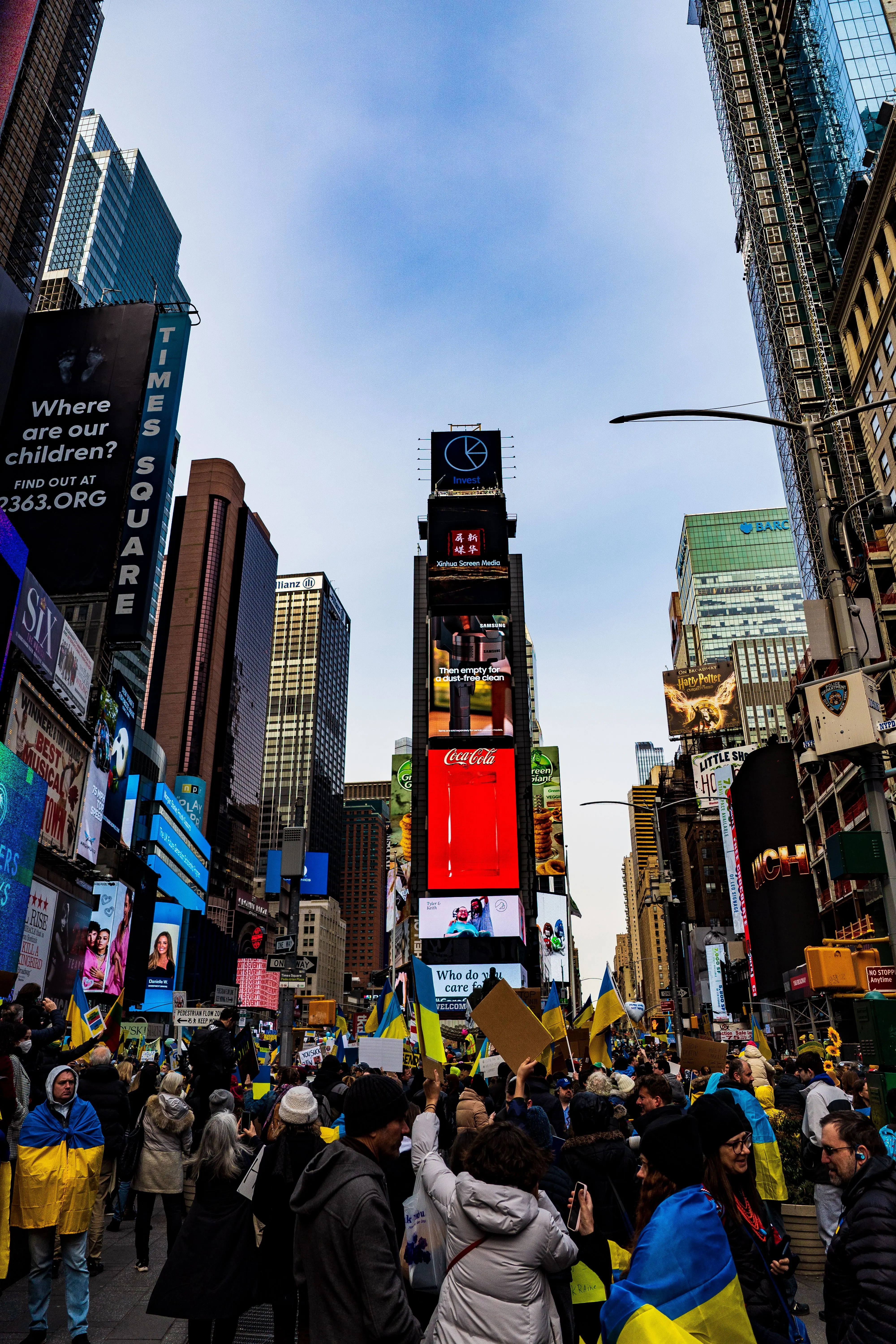
When War Has Reasons
Ukraine, War, and the Question Modern Civilization Must Answer
If a civilization can find a reason for every war, should it also accept responsibility for every life lost?
No one chooses where they are born.
A child enters the world without knowing borders, sovereignty, alliances, or geopolitics. They first understand family, home, and the ordinary rhythm of life.
National identity, historical memory, political beliefs, and borders are ideas learned later.
War does not wait for people to understand these concepts.
It does not ask a child whether they understand international relations. It does not ask an elderly person whether they support a government decision.
When missiles fall, people are not first symbols of a nation.
They are human beings who can suffer, fear, and lose everything.
This is why every war changes human lives before it changes maps.
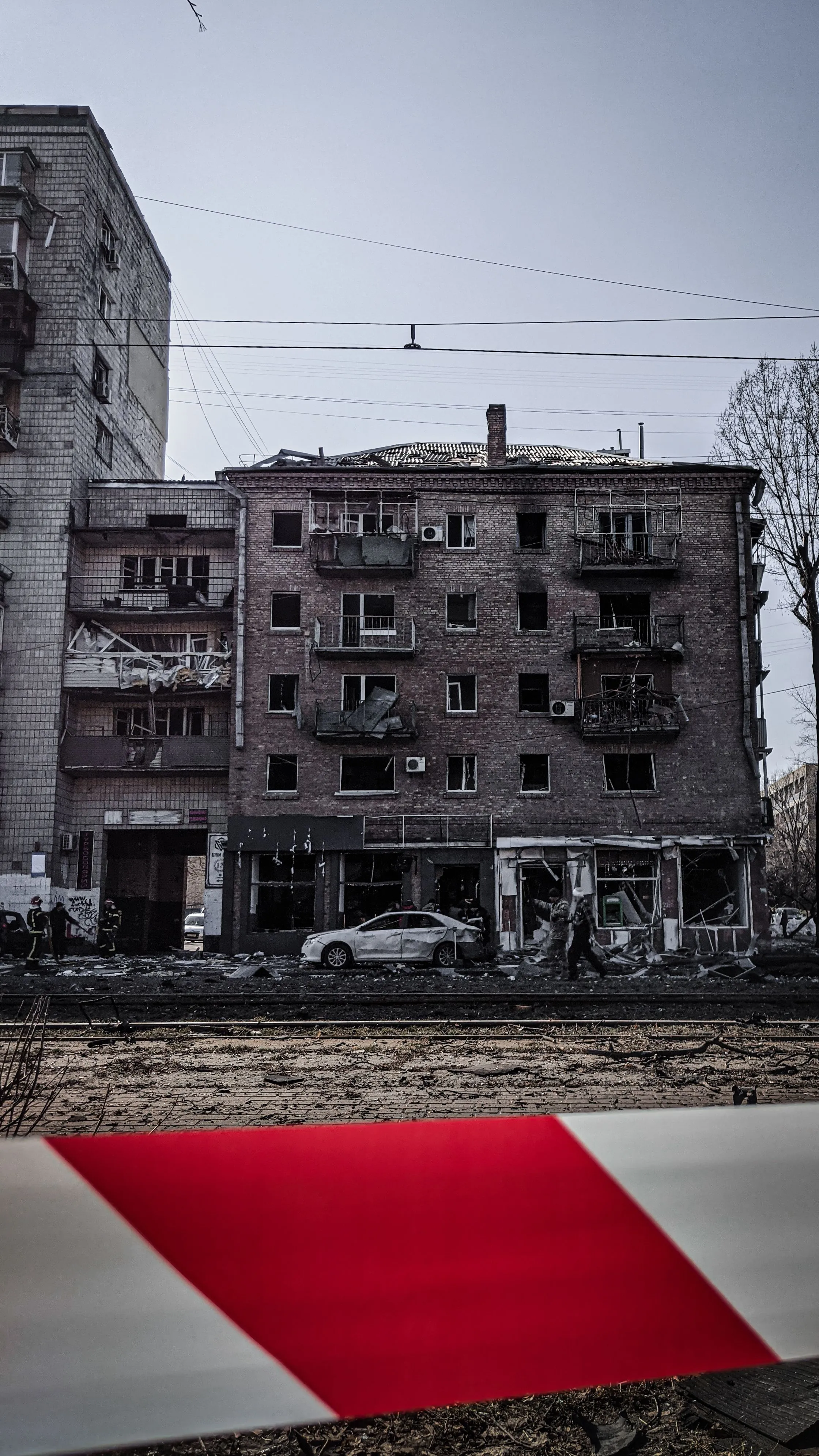
A War That Changed Europe
On February 24, 2022, Russia launched a full-scale military operation against Ukraine.
The conflict quickly became the largest war in Europe since the Second World War and one of the defining international events of the twenty-first century.
It changed European security, affected global politics, displaced millions of people, and forced the world to reconsider fundamental questions:
Why do wars begin?
Can security concerns justify violence?
How should humanity balance national interests and human lives?
There are many explanations for this war.
Some focus on Russia’s concerns about NATO expansion and changing European security structures.
Others emphasize Ukraine’s right as a sovereign country to determine its own future.
Some point to the historical legacy of the Soviet Union, Crimea, the Donbas conflict, and decades of tension between Russia and Western countries.
These factors are important.
Ignoring them makes understanding the conflict impossible.
But understanding why a war happens is not the same as accepting that the war should happen.
Reasons Are Not the Same as Justice
Almost every war in history has had reasons.
Governments describe wars as necessary.
Leaders describe wars as unavoidable.
Societies describe wars as protecting their future.
But a reason explains an action.
It does not automatically justify it.
Fear can explain violence.
Security concerns can explain military decisions.
Historical grievances can explain political conflicts.
But none of these automatically answer the most important question:
Was war truly the only choice?
Human history shows that wars rarely begin because people have no explanations.
They begin because people believe their explanations are stronger than the consequences.
…
The Security Dilemma
International politics contains a permanent contradiction.
Every country wants security.
Every country wants to protect its future.
But one country’s attempt to increase security can make another country feel threatened.
This is known as the security dilemma.
A country strengthens its military because it fears danger.
Another country sees that strength as a threat.
It responds by increasing its own military power.
Eventually, everyone becomes less secure.
No side may originally want war.
Yet fear itself can create the conditions for conflict.
The tragedy is that actions taken to prevent danger can sometimes create new danger.
The Limits of International Law
After the Second World War, humanity attempted to create rules that could limit destruction.
The United Nations was established.
International humanitarian law developed.
Human rights became a central principle of global discussion.
The goal was not to create a world without disagreement.
That is impossible.
The goal was to create limits.
Modern civilization accepts that conflicts may exist, but it rejects the idea that power alone decides right and wrong.
International law does not eliminate war.
It attempts to control the way humans use force.
Its weakness is obvious.
Wars have continued despite international institutions.
But the existence of violations does not mean rules have no value.
The meaning of law is not that nobody breaks it.
The meaning is that humanity still recognizes certain actions as unacceptable.
Without these principles, every powerful actor could define their own justice.
The Human Cost
War is often measured through numbers.
Deaths.
Displacement.
Economic damage.
Destroyed infrastructure.
Numbers are necessary because they show the scale of suffering.
But numbers cannot fully describe loss.
A number cannot show a child growing up without parents.
A number cannot show a family leaving home with only a few belongings.
A number cannot show someone returning years later and finding that the place they remember has disappeared.
War destroys more than buildings.
It destroys continuity.
The normal experiences of life:
Children going to school.
Families planning the future.
Communities trusting tomorrow.
War interrupts all of them.
The Wounds That Remain
The most visible damage of war is physical.
Destroyed cities.
Broken roads.
Damaged homes.
But some wounds cannot be photographed.
Trauma.
Fear.
Loss.
The inability to imagine a normal future.
A building can be rebuilt.
A road can be repaired.
But rebuilding human confidence takes much longer.
This is why peace is more than stopping violence.
A ceasefire ends fighting.
Peace restores life.
Technology Has Changed War, Not Humanity
Modern technology has transformed conflict.
Drones, satellites, artificial intelligence, and advanced weapons systems have changed how wars are fought.
Weapons can become more accurate.
Information can travel faster.
Military decisions can happen instantly.
But technology cannot answer the most important question:
Should force be used?
A more advanced weapon is still a weapon.
A more precise attack still carries moral responsibility.
Technology improves ability.
It does not improve wisdom.
The central problem of war has never only been how humans fight.
It has always been why humans choose to fight.
The Difference Between Power and Civilization
Civilization is not measured only by strength.
It is measured by restraint.
A powerful society is not simply one that can destroy more.
It is one that understands the responsibility created by power.
The difference between civilization and the law of the jungle is not the existence of strength.
It is the ability to control strength.
Human progress depends on this idea.
Rules.
Rights.
Human dignity.
The recognition that even enemies remain human.
Beyond Ukraine
The Ukraine war will eventually end.
Every war eventually ends.
But the questions raised by war will remain.
Why does humanity continue to choose violence despite knowing its consequences?
Why do nations believe destruction can create lasting security?
Why are humans so capable of creating power, yet still struggling to control it?
Perhaps the answer is not technology.
Perhaps it is not only politics.
Perhaps it is how humanity understands power itself.
If power only means the ability to act, war will always remain possible.
If power also means the ability to choose restraint, civilization becomes possible.
Life Does Not Need a Reason
Wars always have reasons.
History records them.
Governments explain them.
Political theories analyze them.
But above all reasons, there is a simpler truth:
Life does not need a reason to have value.
A child does not need a nationality to deserve protection.
A person does not need political importance to deserve dignity.
A civilian does not need to belong to the correct side to remain human.
The purpose of a state is not only to protect territory.
The deeper purpose is to protect people.
Because civilization is not defined by how much power humanity possesses.
It is defined by whether humanity can choose restraint after gaining that power.
Life does not need a reason.

Independent writers and researchers exploring human rights, environmental issues, and society.
Continue reading

Field notes from a small harbour
A week of walking, reading, and watching the boats come in. What slow places teach about attention.

A conversation with a bookbinder
On hand-stitched signatures, the smell of linen thread, and what a centuries-old craft still has to teach the rest of us.

What I learned from a year of walking
Three hundred and sixty-five days, one slow route, and a small notebook. A report from the pavement.